











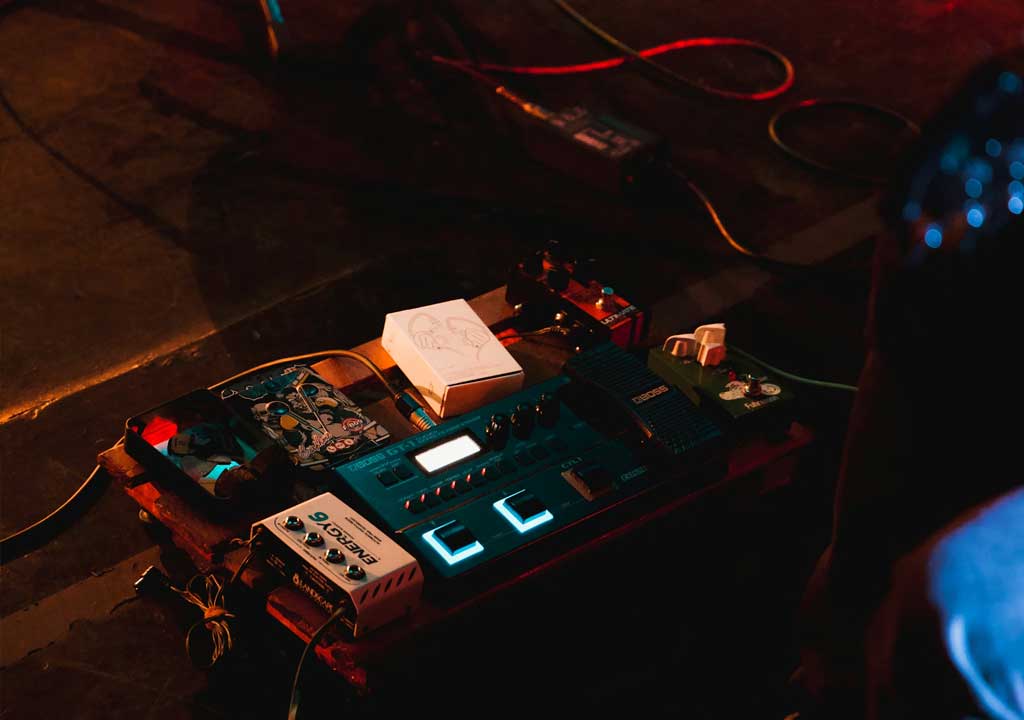
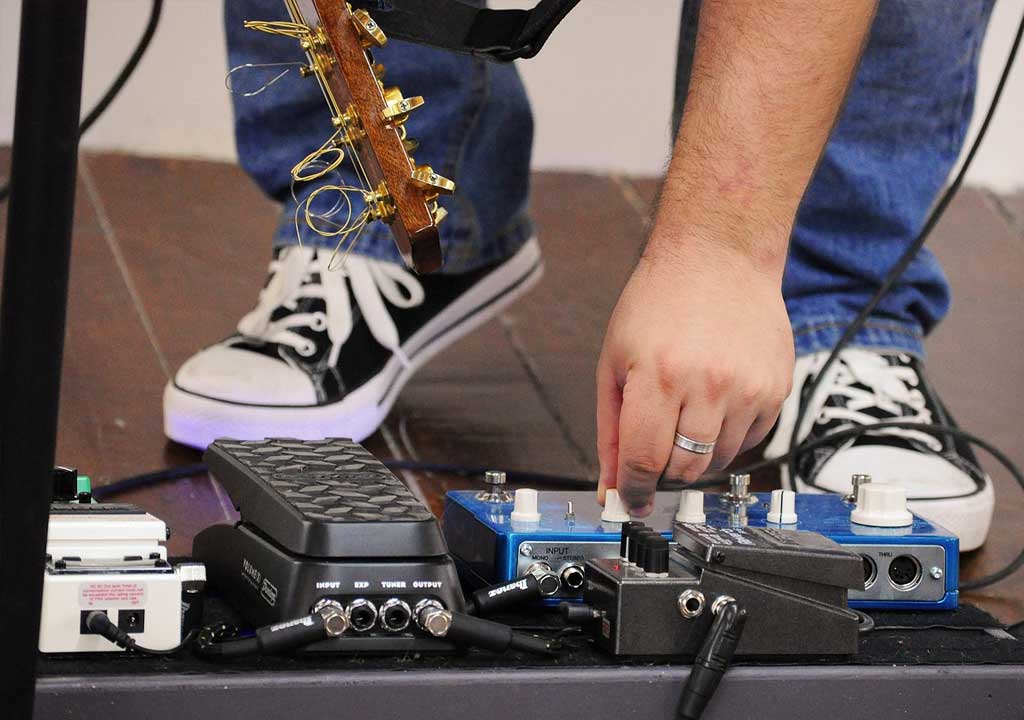
Streamline Your Pedalboard for Live Gigs and Easy Travel

Streamline Your Pedalboard for Live Gigs and Easy Travel
Touring musicians know that a great tone is half the battle, but the other half is making that tone reliable, repeatable, and easy to reproduce night after night. A sprawling, tangled pedalboard can turn a simple gig into a logistics nightmare, especially when you're traveling between venues, airports, and hotel rooms. The good news is that you don't need a roomful of pedals to sound like yourself on stage. With deliberate planning, smart power management, and rugged but lightweight cases, you can streamline your setup so you spend more time playing and less time fiddling with cables.
In this guide, you'll find practical strategies to trim your rig to the essentials, optimize signal integrity, and travel with confidence. Whether you're a dedicated pedal fanatic or a gigging musician who wants a dependable rig, the goal is the same: a board that sounds great, behaves predictably, and is easy to carry from van to stage to rehearsal space. Let's break it down into actionable steps you can implement right away.
1) Start with a clear plan: what you actually need
The first step toward a streamlined pedalboard is deciding what you truly rely on for your core sound. Take stock of your regular gigs-genre, typical venues, and your preferred sonic palette-and then ask a few hard questions: Which pedals are indispensable for your tone? Which ones are nice-to-have but rarely used on stage? Which effects can be achieved with a single, versatile pedal or a toggle between two saved tones?
Common essentials often include a tuner for every set, a dependable overdrive or boost to push your amp, a modulation or delay that defines your characteristic phase or echo, and a reverb for depth. Some players also keep a compact octave, noise gate, or filter for specific songs. The key is to identify the minimum viable rig-the smallest combination of pedals that delivers your signature sound with enough versatility to cover the gig's repertoire.
Tip: create two "tones" in your head. Tone A is your clean, chimey, preserved core. Tone B is the dirtier, more driven or textured variant you pull out for solos or particular songs. If you can reproduce both tones with a single well-chosen chain and a couple of toggles or a switcher, you're on the right track.
2) Choose the right size and shape for your board
Pedalboards come in many shapes and sizes-from compact 10- to 12-pedal boards to larger 20- or 24-pedal setups. For live travel, the sweet spot is often somewhere in between: enough room to accommodate your indispensable pedals and a couple of extra options, but not so large that it becomes unwieldy to move, power, and patch every night.
When choosing size, consider these practical criteria:
- How many pedals are truly essential for your core tones?
- Do you need room for a compact expression pedal, an octave pedal, or a small multi-effects unit?
- Will you benefit from an integrated power supply on the board, or do you prefer separate power bricks?
Form factor matters too. A shallow, low-profile board can be easier to strap into a gig bag or backpack for quick travel, while a deeper board offers more space for routing and a cleaner layout. If you often perform at venues with a quick-change setup, consider a board with a recessed underside or a lid that keeps jostling cables in place during transport.
3) Master the art of cable management and power distribution
One of the biggest sources of stage chaos is a tangle of cables, pinned-down patch cords, and unreliable power. A clean signal path and reliable power are the bedrock of a dependable live rig. Here are proven practices to keep things calm under fire:
a) Isolated power is your friend. Many digital and analog pedals together create ground loops and hum if powered from a shared, non-isolated supply. A quality isolated power supply ensures each pedal gets clean, stable voltage and reduces noise. Look for supplies with enough outputs and current to cover your pedals (some pedals draw 100-300 mA; others less), plus headroom for any added gear. Examples you'll often see on tour include compact pedal power bricks with multiple isolated outputs and a regulated 9V already configured for guitar pedals.
b) Don't mix 9V, 12V, and other voltages without purpose. If a pedal requires 9V, feed it with 9V. If a pedal calls for 12V or 18V for increased headroom or a particular response, provide the correct supply. A stable, correct voltage is part of the tone and dynamics you hear on stage.
c) Keep the power side tidy. Use color-coded cables or labeling to indicate which pedal is fed by which output on your power supply. This makes troubleshooting backstage a breeze and helps you quickly re-create a patch after a spare part or a gear change.
d) Patch cables matter, but don't overdo it. Short, high-quality 0.15-0.25 inch patch cables are ideal on the board. They minimize clutter and reduce the chance of crosstalk or unwanted capacitance. Use right-angle plugs where possible to maximize space and reduce stress on jacks during transport.
e) Consider a dedicated loop arrangement. For a compact board, a simple "true bypass order" might work: tuner → compressor (if you use one) → overdrive/boost → modulation → delay/reverb. If you need a more complex texture, consider a reliable loop switcher or a small MIDI-enabled switcher that lets you jump between signal paths without crawling under cables in a dark room.
f) Label everything. Put small, durable labels on patches and power cables so you can re-create a patch quickly after a soundcheck or in a different venue. Even a quick color code (green for drive, blue for modulation, etc.) can save you minutes under pressure.
4) Power options and board integration
There are two common approaches to powering a streamlined live rig: integrated power on the board itself or a separate power brick. Both have pros and cons, so choose based on your travel style, gig types, and gear density.
Integrated power on the board (built-in power supplies) offers a compact footprint and fewer cables to manage. It's convenient for smaller performances or when you want to travel light. The drawback is limited output flexibility and the potential for heat buildup in smaller boards over long runs.
Separate power bricks or a robust, isolated power supply with multiple outputs gives you more control and scalability. This setup is ideal for frequent gigs, rehearsals, and tours because it minimizes signal interference and lets you add pedals without compromising stability. If you choose this route, invest in a reputable power supply with sufficient isolated outputs, good noise rejection, and reassuring safety ratings. Be mindful of the total current draw and plan for future pedal additions.
Tips for power planning:
- Break out your most power-hungry pedals (like certain delays or digital effects) onto dedicated outputs.
- Avoid daisy-chaining pedals that require significant current unless your supply explicitly supports it and the noise floor remains quiet.
- Use short, well-shielded power cables and keep power cables separate from audio signal cables to minimize interference.
5) Build a robust, transportable case strategy
Transportation is where a lot of rig horror stories begin. A rider-friendly, durable case keeps your board intact and saves you precious staging time. Consider these options depending on your travel style:
- A hard-shell pedalboard case with foam inserts that cradle each pedal and the power supply. A foam cut specifically for your pedal layout is ideal because it prevents shifting during transport.
- A flight-case solution for longer tours or crowded stages where abuse risk is higher. These are heavy but incredibly protective and typically have wheels and secure latches for airline travel.
- A soft gig bag with reinforced edges for lighter travel. This is the easiest to carry but offers less protection, so it's best for short trips or when you're driving between venues quickly.
Whichever option you choose, mount your pedals with non-slip material or Velcro to reduce movement. A common setup is to secure each pedal with two layers of rugged Velcro: one to the pedal's underside and the other to a corresponding patch plate on the board. This makes re-patching in the dark much faster and reduces the risk of pedal slippage during bumpy rides.
Another smart move: keep a small, padded pouch for spare power adapters, extra patch cables, fuses (if you use a specific pedalboard power supply with fuses), a small multi-tool, and a clean cloth for quick maintenance between sets. The idea is to minimize the number of separate trips to your vehicle or the gear rack between sets.
6) Quick setup and soundcheck: a repeatable routine
The faster you can set up and soundcheck, the more confident you'll feel on stage. A repeatable routine reduces stress and helps you deliver your best tone every night. Here's a practical routine you can adopt:
- Open the case, place the board in its normal position, and strap it to the stand if possible.
- Connect the power supply and turn everything on in a known order: power first, then pedals, then your amp or DI. This helps avoid pops and glitches.
- Patch in your tuner and verify it's in the correct place in the chain. A quick check of the tuner ensures your pitch correction is immediate and silent during setup.
- Run a quick signal test: strum a few chords and test each pedal's effect with a short bypass. Confirm the order is producing the expected tone and that there's no unusual noise or hiss.
- Save a default patch or two for the most common songs in your setlist. If you're using a switcher or MIDI controller, assign your go-to tones to easily audition during soundcheck.
Pro tip: keep an always-on "quiet" baseline patch that includes your tuner and a small amount of compression or buffer. This helps reduce volume jumps when you toggle on your other effects and ensures a consistent signal path from the moment you hit the first chord.
7) Presets, buffers, and switching for reliability
Signal integrity is essential on stage. Long runs of cable on a tour bus or in a venue can degrade tone unless you've accounted for it. Buffers and reliable switching are your friends here.
Buffers are small, active circuits that preserve your high-end clarity and reduce signal loss as it travels through multiple pedals and long cable runs. They're especially important if you're using a large pedalboard with several true-bypass pedals. Placing a buffered pedal or a small dedicated buffer near the end of your chain can prevent tone loss when you're playing a two- or three-song set that runs on extended effects loops.
If your pedalboard includes a lot of true-bypass pedals or long patch cables, consider adding a compact buffer near the front or in the loop to preserve your tone during the entire show. Alternatively, some players opt for a dedicated buffer pedal placed at the beginning or end of the chain, depending on how their tone behaves with different pedal orders.
Switching and presets can further streamline live performance. A simple two- or three-patch setup-one clean/crisp tone, one overdriven/edge tone, and one ambient/space tone-lets you move quickly between songs without re-patching in the middle of a set. If you're using MIDI footswitches or a small pedalboard switcher, map your patches to a single press for an instant tone change. This not only saves time but also reduces the risk of mispatching in front of a room full of spectators.
To keep things simple and reliable on tour, you can rely on a small, portable switcher that's designed for live use. These devices let you route the signal through different pedal chains or effect loops with a single stomp, and many offer a compact, robust chassis with a lifetime reliability track record. If you choose a switcher, test it extensively during rehearsals and always carry spare power adapters for it, too.
8) Travel-smart packing: the minimalist traveler's checklist
When you're on the road, every extra item is another potential point of failure or delay. Here's a lean packing checklist to help you stay ready without overburdening your vehicle or your back:
- A compact, padded pedalboard case or soft bag with secure fasteners
- A dedicated isolated power supply with enough outputs for your pedals
- A few spare patch cables (short, 0.15-0.25 inch) and spare power cables
- A small tool kit: Phillips and flat-head screwdrivers, a pair of pliers, cable ties, and Velcro strips for quick reorganization
- A micro-fiber cloth for quick cleaning and a small contact-clean spray for jacks
- Label tape and a marker for rapid re-tagging if you swap pedals or re-route cables
- A compact DI box or two, if you frequently run direct through a PA for stage volume and consistency
- Spare fuses or power supply accessories for the times you need to swap a component mid-tour
Important travel note: protect your pedalboard from temperature extremes and humidity. A padded case with a moisture barrier helps keep cables from corroding or stiffening in transit. If you're flying, disassemble the board where practical and use sturdy, labeled cases to prevent misplacement of small components during luggage handling.
9) Real-world setups: tailoring the idea to your genre and gig type
Different musical styles and performance contexts call for different board architectures. Here are three common templates you can adapt to your own needs:
Minimalist gig rig (great for singer-songwriters or single-amp players): tuner, overdrive or boost, compact reverb or delay, small compressor (optional). This can fit on a 8-12 pedal board and weight becomes your friend when you're traveling solo. The goal is simplicity and a quick patch between songs.
Mid-size versatility rig (shredders, funk, indie rock): tuner, drive/boost, modulation (phaser or chorus), delay, reverb, and a small octave or filter for occasional textures. A switcher helps you jump between tonal families while keeping your signal path clean and stable. This is a very common touring configuration that balances tone with practical logistics.
Ambient, stack-man vibe (post-rock, shoegaze, psych): you'll likely want a more expansive chain with a long, lush delay, multiple modulation options, and a reverb or shimmer pedal. For travel, pair a compact delay with a big reverb in a way that you can control quickly and reliably. A pedalboard with a robust power supply, plus a small looper can also be a great travel-friendly solution for layering live textures.
10) Maintenance and reliability: a few habits that pay off
Reliability on the road comes from consistent habits and proactive maintenance. Here are habits to adopt so your rig stays solid night after night:
- Do a quick post-flight run-through of every pedal and the power supply when you land in a new city. A quick check reduces the chance of a blown fuse or an intermittent connection at the venue.
- Keep your cables clean and dry. Moisture and sweat can corrode connectors and degrade contact quality over weeks of touring. Wipe down jacks occasionally and inspect for loose components.
- Practice re-patching. The more you're comfortable patching quickly, the less room for error during soundcheck. Rehearse your standard patch order so you can replicate it under stage lighting conditions.
- Replace worn hardware. If a pedal's footswitch begins to feel "sticky" or a patch cable gets a loose connector, address it before it becomes a bigger issue on stage.
11) A few practical, field-tested tips
Here are some practical tricks that professionals often rely on when touring with a streamlined pedalboard:
- Color-code your patch cables by function: blue for modulation, red for drive, green for time-based effects. This makes the stage quick-check visual and reduces the chance of mispatching during a performance.
- Keep a backup plan: if a pedal fails, know which two or three replacements can immediately recreate your essential tones. This could be a single spare pedal or a compact multi-effect unit that can stand in as a substitute during soundcheck.
- Use a micro-stand to keep your tuner within easy reach and to protect it from knocks as you move around the stage or bus.
- Reserve a small "emergency kit" in your bag with spare power adapter, a few patch cables, small bottle of contact cleaner, and a spare lens for your tuner. If something ejects or breaks, you won't be scrambling right before the set.
12) Putting it all together: a practical plan you can implement
Here's a straightforward, action-oriented plan you can follow to streamline your pedalboard for live gigs and travel. It's designed to be adaptable to your gear and genre, but it's structured so you can start implementing it today.
Step 1: Audit your essential tones. Identify 2-4 core sounds you play during a typical set. Write them down or map them in your head so you know what you're aiming for.
Step 2: Choose a compact board. Select a size that comfortably fits your essential pedals with a little room for optional additions but without becoming a maintenance nightmare. Consider a board with integrated mounting for a power supply if you want a simpler, cleaner setup.
Step 3: Plan your order and test it. Decide on a general order (tuner first, then drive/boost, then modulation, then time-based effects, then reverb). Test in the room or rehearsal space to confirm that the tone is as expected and that there's no surprising noise or tone loss.
Step 4: Invest in reliable power. If you use more than a couple of pedals, you'll benefit from an isolated power supply with enough outputs. Label outputs and plan your power distribution so you're not chasing hum mid-tour.
Step 5: Build a durable case. Whether you choose a rigid flight case or a padded case, make sure the pedals are secure, the power cables are protected, and there's space for your emergency kit.
Step 6: Create quick-change presets. If you're using a switcher or MIDI controller, reserve a few patches for common songs. Practice switching between them with a single stomp to minimize stage time and avoid errors during a loud show.
Step 7: Create a travel-ready checklist. Keep a short, printable checklist in your case or bag so you don't forget critical items like spare cables, a DI box, or a power adapter.
13) A final note on adaptability and personal taste
There's no one-size-fits-all solution for pedalboards. Your rig should reflect your musical identity, travel style, and the venues you're likely to play. Some players prize ultracompact, almost minimalist boards that travel like a guitar case. Others prefer modular setups that can be expanded when needed. The strongest approach is to keep the essentials clean, protect them well during travel, and maintain a reliable setup that you can reproduce under stage lights and in front of an audience.
Experiment with small changes. If a particular patch feels too fragile or too slow to switch between, try rearranging the order or adding a small buffer. If the power supply feels noisy, consider upgrading to a higher-quality isolated supply. If you struggle with setup time, practice your routine until you can assemble and power up in a fraction of the time you currently require. The goal is consistency: a reliable sound that you can count on night after night, no matter the city or the venue.
14) Quick reference recap
- Start with the essentials: tuner, core drive, core time-based effect, and reverb or atmosphere
- Choose a board size that fits your needs without becoming unwieldy
- Invest in a robust, isolated power supply and practical cable management
- Use labeled, color-coded cables and a practical patch order to simplify troubleshooting
- Build a durable case that protects your gear on road and in transit
- Develop a repeatable setup and soundcheck routine to save time on stage
- Create 2-3 go-to presets or patches for quick song changes
- Pack a lean travel kit for field maintenance and quick repairs
Conclusion: your road-ready pedalboard is within reach
Streamlining your pedalboard for live gigs isn't about sacrificing tone-it's about embracing reliability, portability, and speed. With a deliberate approach to planning, a focus on clean power and effective cable management, and a practical setup that you can reproduce night after night, you'll spend more time playing and less time fiddling. A well-designed board travels well, sounds consistently great in a variety of venues, and makes quick changes between songs possible in a dimly lit backstage corridor or a busy club. If you start today with a clear plan, you'll find that your live rig becomes not just a collection of pedals, but a trusted tool you can depend on wherever your music takes you.
Happy touring, and may your tone stay bold, your patches stay intact, and your travel be as smooth as your signal.
LIKED THIS ARTICLE? SHARE IT: