










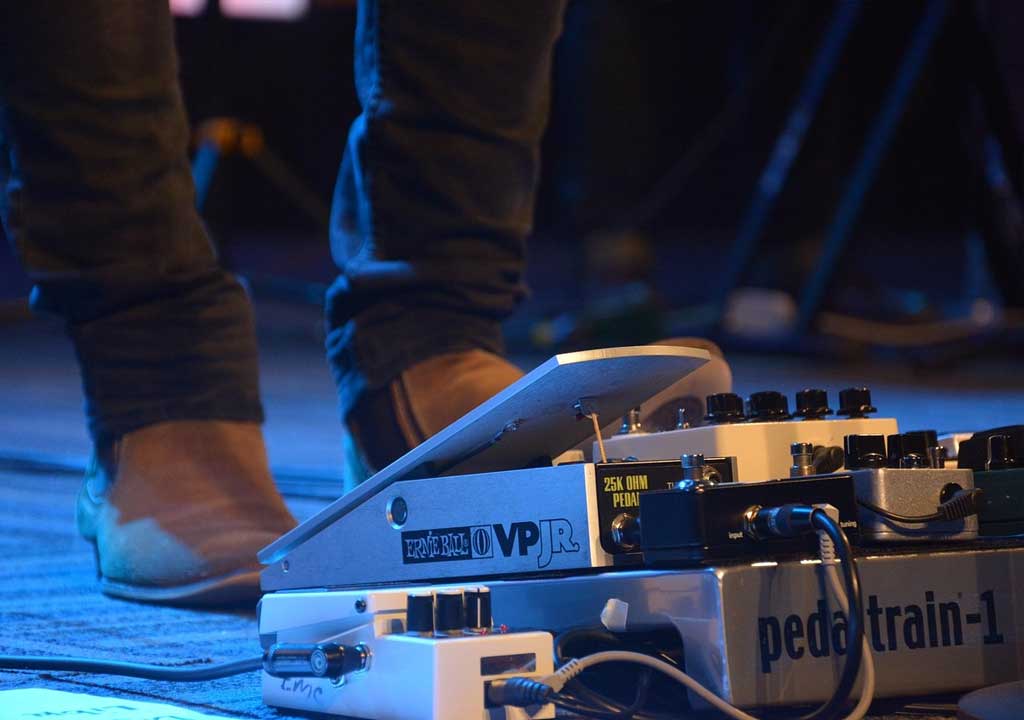


Compact Pedal Boards: Maximizing Space and Mojo

Compact Pedal Boards: Maximizing Space and Mojo
In the realm of guitar gear, bigger isn't always better. A compact pedal board can deliver more mojo per square inch than a sprawling setup, letting you access essential tones with less weight, less clutter, and less setup time. Whether you're a touring guitarist chasing reliability on the road or a bedroom DIY player who values simplicity and speed, a well-planned compact board can keep your signal chain tight, your options flexible, and your stage presence sharp. In this guide, we'll explore how to design, configure, and maintain compact pedal boards that maximize space without sacrificing tone or dynamism.
Let's dive into the why, the how, and the mojo behind compact pedal boards.
Why compact boards matter
Compact pedal boards matter for several practical reasons. First, they're lighter and easier to transport, an obvious advantage for gigging musicians who hop in and out of venues, buses, and airports. Second, space constraints on stage or in user-friendly practice rooms mean a smaller footprint can keep you from tripping over cords or bumping pedals during a performance. Third, a tight rig can reduce tone-degrading cable runs. Fewer inches of cable mean fewer potential tone robbers in the signal path. And fourth, a compact board often forces you to make deliberate choices about what you truly need on a given gig, which can simplify your sound and improve your reliability.
Most players end up with a practical target: a board that holds 4-8 essential pedals with a footprint under 12 inches by 20 inches. That's enough real estate for a few gain stages, a versatile drive or boost, a reliable modulation or delay, and a utility pedal or two for tone shaping and expression. But the best compact boards aren't just small; they're well organized, thoughtfully powered, and easy to use in the heat of the moment.
A compact board also scales well with travel options, from pedalboards tucked into a gig bag to flight-friendly cases. When you design with travel in mind, you'll naturally choose pedal spacing, mounting hardware, and cable management that survive jostling, check-in baggage, and the occasional misadventure with airline security.
Key design principles for compact layouts
Know your footprint and plan your space
Start with precise measurements. Measure the width of your pedals (including handles and knobs if they protrude), the depth, and the available space on your intended board. Many players underestimate the space a large-washing-drum-style expression pedal or a bulky tap-tempo pedal can require. Plan for a few millimeters of clearance between pedals to avoid rubbing, knock-offs, or accidental foot contact with knobs during a performance. A common compact target is a board around 12"-14" wide and 18"-22" deep, but your ideal size depends on your pedal lineup and your preferred orientation (vertical stacking, offset, or inline). Use a simple cardboard mock-up or painter's tape on the floor to visualize your layout before committing to hardware.
Signal flow: keep it simple, keep it true
In any guitar rig, signal order matters. A compact board should respect a deliberate signal chain that preserves dynamics and tone while minimizing unnecessary reorders. A typical compact order might be:
- tuner and mute switch (out of the signal path, or true bypass routing with a labeled footswitch)
- dynamics/filters (compressor, noise gate, graphic EQ)
- gain (overdrive, distortion, fuzz) or boost
- modulation (phaser, chorus, tremolo)
- time-based effects (delay, reverb)
- volume or expression control
Within that chain, you'll often find that a high-gain pedal sits after dynamics to preserve transient response, while delays and reverbs usually live after all other effects so you can modulate and time them cleanly. That said, musical style and pedal interaction can bend rules. The key is to keep the chain logical and repeatable so you can trust your sound in the moment.
Height, stacking, and accessibility
A compact design benefits from physical stacking ingenuity. Elevate certain pedals with risers or shallow pedal bases to create two tiers and maximize vertical space without increasing the footprint. Align your most frequently adjusted controls within easy reach of your guitar side, and place less frequently adjusted units toward the back or bottom tier. If you use a looper or a multi-function pedal, ensure it has clear, easy access from the performer's perspective and that patch-changes won't involve moving multiple other devices. The goal is a board that feels natural underfoot and minimizes the chance of a misstep during a performance.
Cable management: the invisible driver of tone
Cable length and routing can make or break a compact board. Keep signal and power cables as short as practical, and route them in a clean, hierarchical way: power cables separate from signal cables to reduce hum, with signal cables tucked in a neat bed using right-angle plugs where space is tight. Use Velcro or hook-and-loop fasteners to secure cables, but avoid over-tightening in a way that strains sockets or distorts pedal mounts. When possible, route cables in a single direction (left to right or front to back) to reduce clutter and make future changes easier. If you're using a power brick, consider separating the DC outputs and keeping any high-current lines away from sensitive audio signals. A tidy cable layout can be the difference between a quiet stage and a hissy, noise-susceptible show bag.
Power: clean, adequate, compact
For small boards, a compact power solution is essential. Look for a power supply that provides isolated outputs, adequate current for your pedals, and a footprint small enough to fit. Isolated outputs help reduce ground loop hum and noise when multiple pedals share a single power supply. If you're using a mix of analog and digital pedals, ensure enough current headroom for all devices. A common compact choice is a 4-8-output isolated supply or a single power brick with multiple isolated outputs. Consider a daisy-chain only if you're certain your pedals won't introduce noise or voltage drop problems. In tight spaces, you might also opt for a battery or a rechargeable power solution for the most compact and quiet setups, but be mindful of real-world current draws and the need to recharge during tours.
Mounting and materials: light, rigid, durable
Board material matters when you're aiming for compact, road-ready reliability. Aluminum boards are light, durable, and resistant to warp. Wooden boards (birch plywood) can be lighter and more affordable, but may warp or wear with humidity and heavy use if not properly sealed. Look for boards with routed channels for cables, non-slip surfaces to keep pedals from sliding, and robust mounting options for pedals of various shapes and sizes. Velcro remains a popular mounting method for its ease of use, but consider pedal-specific mounting solutions (screw-on brackets, pedal clamps) for heavy or larger pedals that might shift during transit or performance. Whatever you choose, ensure the mounting system won't damage pedal enclosures and can be reconfigured quickly when you swap gear.
Choosing the right components for a compact board
Pedal selection: essential vs nice-to-have
On a compact board, every pedal earns its place. Favor versatile, space-efficient pedals that cover multiple needs. For example, a compressor with tone-shaping options can replace a separate sustainer or dynamic pedal; a multi-effects pedal can sometimes replace several individual units, though you'll trade some control for space. When possible, choose pedals with small footprints, recessed knobs, and stable construction. If you rely heavily on a single effect (say, a signature overdrive), ensure you don't have to move it to access another pedal in a live setting. The aim is a set of pedals that deliver the sounds you need the most, with room left for a tweak or two on the fly.
Pedal form factors: size, shape, and ergonomics
Pedal footprints vary widely. Some compact pedals mimic standard 1590A enclosures that sit neatly side by side, while others are larger, deeper, or taller. Factor in the height of knobs and the reach needed for your foot to operate them cleanly. If you're stacking pedals on top of one another, ensure the top pedal isn't blocked by the second pedal's knobs or jacks. Consider shallow or flat-topped pedals when vertical stacking is desired. Also think about protection: if you travel a lot, consider rugged enclosures or padded cases and splash-proof functions for humidity-prone climates.
Mounting options: Velcro, brackets, and quick-release systems
Velcro remains the simplest and most adjustable method, but there are trade-offs. It's easy to rearrange, but it can grip dust and degrade over time. Some players prefer screws or brackets for high-gig reliability, especially for heavier pedals. Quick-release mounting systems can speed up setup and teardown, a major advantage for touring players who need to load in fast. If you're using a sidecar or stack configuration with risers, add anti-slip mats or rubber gaskets to prevent movement. The goal is a secure, stable configuration that's not overly difficult to reconfigure after a gig or rehearsal.
Topology and example layouts for compact boards
Concrete layouts help you visualize practical setups. Here are a few common, tested configurations that balance space and mojo. Each layout assumes a typical 18" × 14" board footprint and 5-8 pedals, with a small dedicated tuner and a compact power solution.
Layout A: Core tone in a 14"×18" footprint
Pedal order: tuner (front), compressor, overdrive, boost, small modulation (phaser), delay, expression pedal (connected to volume or pitch if desired).
Notes: Use a compact compressor with a side-mounted input/output to minimize width. Place the tuner at the far left for easy access with the foot, and use slimline modulation to keep the overall footprint tight. If you're running a long delay, consider a compact digital delay with a small footprint to avoid clashing with other pedals. The expression pedal can be mounted on a small stand at the far edge or connected to a dedicated control pedal if you use it frequently.
Layout B: Three-tier stacking for maximum freedom
Pedal order: tuner, drive (front row), boost, noise gate, modulation (phaser/chorus) on the back tier, delay and reverb toward the center, with a volume/expression at the edge. Use a shallow riser to create a second tier for the modulation and time-based effects. Align power connectors to the back to minimize cable clutter and ensure you can access the bottom row pedals without moving others.
Notes: A two-tier approach preserves the front row for primary tone shaping, while the back row handles ambience. If you have a looper, place it near the end of the chain, ideally after time-based effects so you can capture echoes and repeats without altering your core tone.
Layout C: The travel-friendly "shoebox" board
Pedal order: tuner, compact compressor, light OD, boost, small fuzz, delay, simple reverb, optional mic/amp-simulation if you need direct-to-DI outputs for a quick stage patch. This layout aims to minimize cable length by clustering related pedals and keeping the total footprint to a tight 12" × 16".
Notes: This configuration prioritizes travel-friendly ergonomics and fast changes. It's excellent for players who jam quickly in various environments and want to maintain a consistent signal chain with minimal adjustments.
Layout D: Modularity with external controllers
For players who want flexible setups for different gigs, consider modular blocks with a few core pedals and a switcher or MIDI controller for quick patch changes. The board can have a dedicated block for effects you swap often (e.g., delay and reverb) and a fixed block for signal-preserving elements (tuner, compressor, drive).
Notes: Use a reliable switcher to preserve signal integrity and minimize pops when changing presets. Keep the power distribution clean and well-isolated to prevent noise in sensitive patches.
Case studies: real-world compact rigs
Case studies help illustrate how the theory translates into practice. Here are two archetypal examples that show how players achieve space efficiency without sacrificing mojo.
Case study 1: The touring guitarist
The guitarist travels weekly, plays small to mid-sized venues, and relies on a 12"×18" board. Core pedals include a compact tuner, a transparent boost, a mild overdrive, a versatile analog delay, and a small reverb. A pedal power supply sits behind the board with isolated outputs feeding actively powered pedals. The board uses Velcro with low-profile risers to create two tiers. The engineer uses a small ‘top rail' to separate the cables, ensuring a clean signal path. The result is a compact, road-ready setup that remains stable on flight cases and during gear checks. The player loves how quickly they can deploy the same tone on most stages, with minimal fiddling and fast patch changes.
Case study 2: The home studio minimalist
In a small home studio, a guitarist uses a compact board that fits on a desk alongside an audio interface. The lineup includes a tuner, a clean-to-crunch drive, a modulation block (phaser and chorus), a compact delay, and a small reverb. The board uses screw-mounted anchors for stability and a small power supply that keeps the footprint under 14"×16". The setup is designed for quick changes between warm, "produced" tones and more direct, crunchy sounds suitable for demos and practice sessions. The guitarist appreciates that a clean desk scene and a small, distraction-free workspace helps preserve mojo and focus during creative sessions.
Travel, durability, and maintenance
Compact boards shine when you add resilience. Here are core tips for keeping your board battle-ready on the road and in the studio:
- Use a rugged case or bag with padding and nail-proof closures to prevent damage during transit. A proper lid and a foam or padded interior helps absorb shocks from bumps and drops.
- Label cables and jacks to speed up setup and avoid re-wiring mistakes after a gig or session. A simple color-coding system can save minutes that feel like hours on stage.
- Routinely inspect Velcro and mounting hardware. If you notice pedals slipping or rattling, re-adhere with fresh Velcro or switch to a combination of Velcro and bracket mounts for heavier pedals.
- Check power supplies for overheating, especially with tall or dense pedal stacks. Ensure there's adequate airflow around the power brick and that cables aren't pinched or tangled near heat sources.
- Keep spare parts: extra Velcro, small zip ties, a few patch cables of different lengths, and a multi-tool for quick repair are invaluable on tour.
Maintenance and mojo: keeping your tone alive
Mojo isn't just about the right pedals; it's about maintaining the signal pathway in a way that preserves your tone's life. Here are strategies to keep your compact board singing:
- Keep the signal clean at the source. Start with a high-quality tuner and a clean, quiet true-bypass pedal if you rely on a lot of stage power.
- Balance pedals to minimize noise. If your compressor and noise gate fight for headroom, experiment with order and settings to preserve dynamic range without introducing hiss or pops.
- Manage expression and volume with small adjustments that don't flatten your tone. A well-balanced volume knob or a compact expression pedal can maintain your dynamics across different venues without needing constant re-patching.
- Sound check with real-world input. Always test your rig with your guitar and pickup configuration for the room you're in. You'll learn how the layout behaves under load and can adjust pedal positions and cable routing accordingly.
- Regularly update firmware and check for pedal issues. If you're using a digital delay, chorus, or multi-effects unit, keep firmware current to ensure stability and predictability on stage.
Practical tips to maximize space and mojo
Here are concise, actionable tips to help you optimize any compact board design:
- Choose multi-function and space-saving pedals when possible. For instance, a compressor with tone control can replace separate dynamics and tone-shaping pedals, saving space while preserving versatility.
- Place high-use pedals within easy reach. Your tuner, drive, and volume pedal should be the most accessible elements, with less frequently adjusted units toward the back.
- Use short, high-quality cables and right-angle plugs to reduce clutter and risk of snagging on the floor. Shorter cables also preserve signal integrity by reducing potential capacitance losses in longer runs.
- Label every pedal with quick-reference notes for patch recall. A small label layer on top of each pedal can remind you of order, settings, or a quick patch to reference during a gig.
- Spend one practice session testing a new compact layout with a by-the-book routine, and compare it to your existing layout. Small changes can have big tonal and stage-time payoffs.
Materials, build quality, and upgrade paths
When building or upgrading a compact board, think about longevity and future flexibility. A sturdy board with modular components offers a longer "shelf life" as your gear or musical direction evolves. Consider these upgrade paths:
- Move from a wooden to aluminum chassis for improved rigidity and resistance to warping in changing environments.
- Upgrade to an isolated power supply with higher current capacity if your pedal lineup expands or you add digital devices that draw more power.
- Invest in a better cable management solution, such as a dedicated routing tray, zip-tie channels, or a small cable loom to keep everything neat and accessible.
- Consider modular boards or sidecar boards that allow you to detach a portion of your rig for smaller gigs or different songs without rebuilding the entire setup.
Case: building a compact rig around your core tones
Let's imagine a scenario: you're a guitarist who relies on a clean-to- crunch tone with a dash of echo and a touch of modulation for atmospheric segments. Your compact board includes:
- Tuner (front)
- Clean booster
- Overdrive pedal (transparent with a touch of grit)
- Modulation (phaser)
- Delay (short-to-medium length)
- Reverb (spring or plate emulation) for ambience
- Expression pedal for volume or effect modulation
Socket organization: place the tuner on the far left, the boosters and drive toward the center, modulation near the back to avoid crowding the front of the board, and delay and reverb near the right edge for easy tail control. A compact, isolated power supply sits behind the board, with all cables neatly routed to minimize noise. This approach yields a reliable, transportable rig with plenty of mojo for subtle texturing in songs while staying within a tight footprint.
What to consider when choosing a ready-made board vs building your own
There are advantages to both ready-made and DIY approaches. Ready-made boards offer consistent build quality, tested layouts, and robust routing for common pedal sets. They are often lighter, more durable, and optimized for portability. DIY boards allow you to customize every detail: the exact footprint, pedal spacing, and power arrangement. If you choose a ready-made board, look for features such as:
- Rugged case or enclosure with protective padding
- Pre-drilled mounting holes for easy upgrades
- Integrated power distribution with multiple isolated outputs
- Well-designed cable channels or mounts that reduce clutter
If you go the DIY route, plan for modular expandability. You can start with a compact base and add modules as needed, without reconfiguring the entire board. A DIY approach can also help you tailor the layout to your exact pedal lineup and playing style, maximizing both space and mojo through careful, personal design.
Maintenance checklist for your compact board
Use this quick maintenance checklist to keep your compact rig in top shape:
- Inspect pedal footswitches and jacks for wear and ensure no wiggle or looseness that could cause intermittent disconnects during a performance.
- Check Velcro adhesion and replace if it's losing grip. Clean the board surface to remove dust that can interfere with cable routing.
- Test power supply stability. Look for buzzing or hum from noisy cables and re-route to maintain signal integrity.
- Test every pedal's controls in a live-signal context. Ensure there are no unwanted pops, crackles, or muted signals when turning pedals on or off.
- Keep spare patch cables and small parts in a dedicated pouch.
Final thoughts: maximize space, preserve mojo
Compact pedal boards aren't about sacrificing tone for portability; they're about engineering your signal path for reliability, flexibility, and expressive control in a smaller footprint. By planning your footprint, optimizing signal flow, and prioritizing clean power and cable management, you can craft a board that travels well, changes quickly between songs, and still feels like your own instrument. Mojo comes from the interplay of your guitar, your hands, and your effects-when the board is purpose-built to support that interaction, the magic happens naturally.
Whether you're chasing a club-ready rig or a studio-friendly setup that travels well, start with the essentials, keep the layout intuitive, and protect your tone with disciplined power and cable management. Remember, the best compact board is the one you can trust under pressure-the one that lets you focus on playing and not fiddling. With these principles in mind, you'll maximize space and mojo in equal measure, creating a rig that feels fast, responsive, and unforgettable on every stage and in every jam.
As you experiment, you'll discover what works best for you. The beauty of compact boards is that they're highly customizable; even small changes can yield big tonal shifts. So lay out your space, map your signal, and let your instincts guide you toward a board that's lean, mean, and brimming with mojo.
LIKED THIS ARTICLE? SHARE IT: