










Real-World Pedalboard Demos: From Clean to Crunch

Real-World Pedalboard Demos: From Clean to Crunch
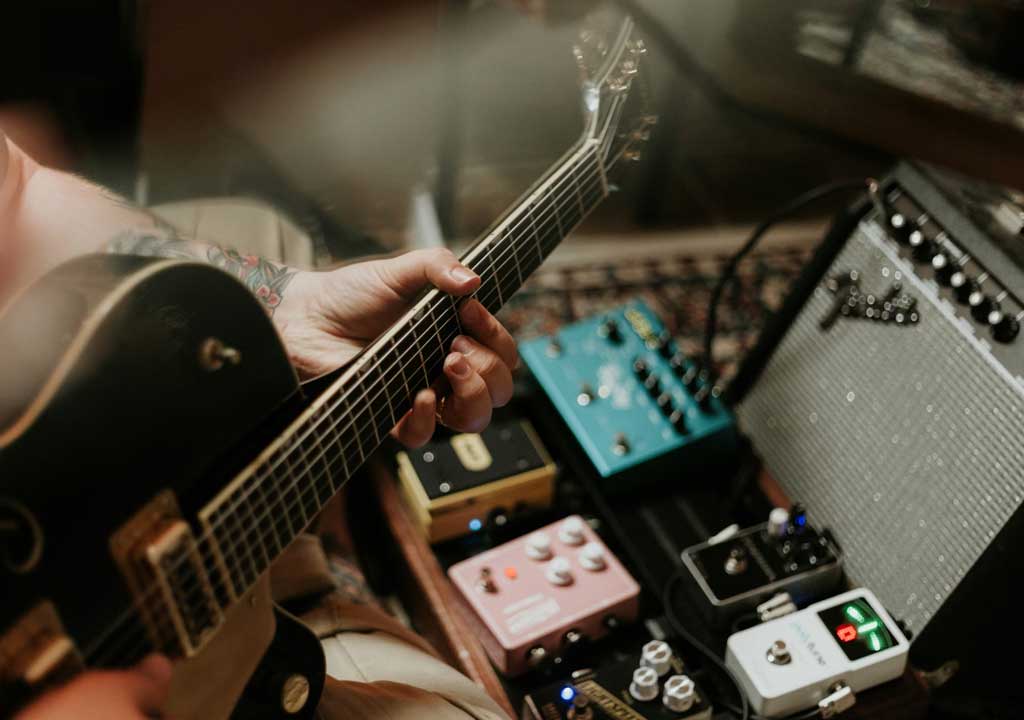
Pedalboards are little ecosystems on a guitarist's pedalboard where signal, tone, and touch coalesce into something greater than the sum of their parts. In the real world, players don't live inside a pristine studio; they play on stages, in rehearsal rooms, and in home studios where rooms, guitars, and players imprint their own character on every note. This article takes you through a practical, real-world approach to building and using a pedalboard that moves seamlessly from a pristine clean to a muscular crunch. It's less about chasing one perfect tone and more about creating a flexible setup that you can actually use in gigs, practice, and recording sessions.
Overview: What a "Real-World" Pedalboard Means
A real-world pedalboard isn't just a collection of effects. It's a carefully curated chain that respects how the guitar responds, how the amp reacts to gain, and how a guitarist fingers dynamics. The goal is to preserve clarity as you gain grit, maintain dynamic range so your touch still matters, and keep your signal chain manageable in the heat of a performance or a quick songwriting session.
In practice, that means thinking about:
- The order of pedals and why it matters for your touch and tone.
- How to use a compressor, a boost, or a light overdrive to transition from clean to crunch without losing your dynamic range.
- How to set up a reliable power supply and good cable management so the tone stays consistent from gig to gig.
- How to shape the midrange and presence so your guitar sits well in a band mix without sounding harsh or fizzy.
The Core Components: Building Blocks for Clean to Crunch
A practical pedalboard for clean-to-crunch tones typically centers on a few essential groups of pedals, with a couple of optional elements depending on your style and genre:
- Tuner: A reliable, transparent tuner is the quiet backbone of a stage-ready setup. A bypassed tuner preserves your signal when off, and a visual display helps you stay in tune at a glance.
- Compressor: A light-to-mid compression helps tame dynamics at clean levels and keeps your rhythm parts consistent, especially when fingerpicked or picked hard. It's a tool for sustain and evenness, not just squashing your signal.
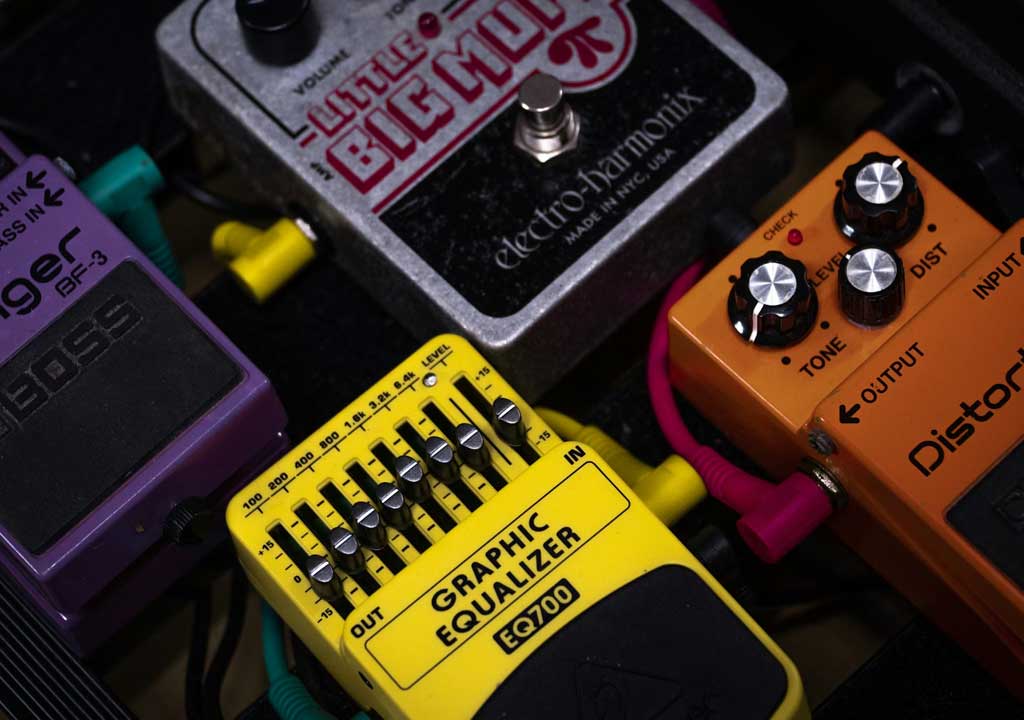
- Gain stages: A clean boost or a light overdrive is where the "crunch" starts. A compact overdrive (think mid-gain with a touch of edge) sits well before heavier dirt, letting your guitar's pickups control the amount of grit with your right hand.
- Fuzz or distortion (optional): Depending on your genre, a fuzz box or a higher-gain distortion can push you into a more aggressive crunch. If you're chasing classic blues/rock crunch, a mild overdrive often suffices; fuzz or higher-gain pedals can be used sparingly to emphasize solos or accents.
- Modulation: Chorus, phaser, or flange can add width and character to clean tones, but many players swap these in for specific songs or sections rather than leaving them on all the time.
- Time-based effects: Delay and reverb add space and depth, especially when you step into crunch territory. Many players keep reverb on but let delay tail ride in during solos or breakdowns for a sense of atmosphere.
- EQ or presence controls: A small EQ pedal or a dedicated mid/treble adjustment helps carve out space in a dense mix, especially when your board's high-gain tones start eating the high-end you need for articulate riffs.
- Boost/Volume pedal: A clean boost at the end of the chain can push your amp into a hotter crunch without altering your pedal's internal gain structure. A volume pedal can also help with expressive swells or clean-to-crunch transitions on stage.
Fundamental Pedalboard Layout: A Practical, Stage-Ready Route
There isn't a single "correct" order for every player, but a widely used, practical approach helps keep things intuitive during a gig or session. Here's a solid starting point you can adapt:
1) Tuner → 2) Wah (if you use one) → 3) Compressor → 4) Light Overdrive/Boost → 5) Fuzz or Distortion (optional, for specific tones) → 6) EQ → 7) Modulation → 8) Delay → 9) Reverb → 10) Optional Expression Pedal (for volume, delay, or modulation control)
Why this order? The compressor sits early to even out your signal before it hits the distortion. A light overdrive or boost before the main grit lets you dial in the amount of crunch with your picking dynamics. Modulation and time-based effects generally come after gain so they don't muddy the core tone, and reverb sits at the end to avoid swamping earlier dynamics with the effect tails. Of course, you can tailor this to taste. Some players prefer to place delays before modulation or use an always-on reverb after crunch for a more ambient vibe. The key is to try variations and listen critically in context with your band or track.
Stage 1: Clean Baseline - The Palette Silver and Clear
The journey from clean to crunch begins with a solid clean baseline. In this stage, you aim for a glassy, articulate tone with plenty of note separation. Your amp's clean channel or a clean-sounding model on a pedal or amplifier will be your friend here. Dialing in a clean tone means focusing on headroom, clarity, and a touch of bloom from your reverb rather than drive or grit.
What you should do:
- Tuner engaged: silent and accurate; keep it on so you can quickly verify tuning between songs.
- Compressor at a light setting: just enough to smooth out peak dynamics without squashing the bite of your pick attack. If your picking is ultra-dynamic, a gentler setting helps maintain cadenza-like phrasing without abruptly leveling your volume.
- Overdrive/Boost off or at minimal gain: you don't want any grit yet; keep this stage pure and uncolored.
- Modulation optional: a gentle chorus or shimmer can add life to a clean tone if you regularly play chords or arpeggios, but keep it subtle to preserve note clarity in a band setting.
- Delay and reverb light: a touch of ambient space can make the clean tone breathe. Set delay to a short clock or dotted vibe if you want a sense of movement without washing out the core tone. Reverb can be plate or spring-like depending on your taste, but keep tails under control for a dry, musical sound in a live room.
How it feels: picking dynamics should drive the tone. A clean baseline is a canvas. You should hear each string clearly, with your notes singing and your chord shapes staying intelligible even when the room gets loud. This stage sets the template you'll refine as you add grit and sustain.
Stage 2: Light Crunch - The Moment When Dynamics Meet Grit
Now we introduce a controlled amount of drive to begin the "crunch" region. The goal is to gain just enough edge to give notes a bit of bite, but not so much that you lose the clean's clarity. Think of this as the first in-race bite in a mellow dogfight between clean headroom and edge.
What you should do:
- Engage a low-to-mid gain overdrive: something that adds warmth and a little sustain without turning your tone into a wall of saturation. If you're using a TS-style pedal, push the gain to a point where the tone remains musical and a touch compressed. If you're using a compressor, you may slightly reduce its ratio to keep the stage dynamic intact as you introduce the drive.
- Use your guitar volume knob: set your guitar so you can roll back for cleaner tones and push forward for crunch. This is where the tone truly becomes "live"-when your hands can shape the gain with touch alone.
- Keep the boost function ready but not engaged: a small boost can be used to push the front end for a solo or a quick rhythm lift, but you want to reserve it for specific moments in your arrangement.
- Modulation can stay or be temporarily muted: because the guitar is flirting with overdrive, you'll want to hear the core guitar tone more clearly. If you rely on chorus for width, keep it mild to avoid phasey wash.
- Delay and reverb remain present but controlled: a little echo with a short decay helps you hear your new crunch in space, while a subtle reverb helps your chord voicings breathe.
What to listen for: articulation of individual notes, evenness across strings, and how well the crunch sits in a lively mix. If your rhythm starts to feel cloudy or muddy when you strum chords, try backing off the gain or tweaking the midrange so the fundamental notes stay present and intelligible.
Stage 3: Classic Crunch - Mid-Gain Power with Musical Forbearance
If Stage 2 was the nibble, Stage 3 is the bite. This is where most blues-rock and classic rock tones live: enough gain to push air through the amp's preamp stage, a touch of compression for sustain, and careful EQ to emphasize midrange punch without turning the mix into a muffled wall of sound.
What you should do:
- Increase the gain on your overdrive to a mid-gain setting. Focus on clarity of chords and the feel of single-note lines. The idea is to hear the pick attack and string detail-even as you gain density.
- Adjust mids and presence. If your amp's mids are scooped, consider a gentle boost in the midrange either via the pedal's EQ or an outside mid-boost pedal. If your amp is already punchy in the mids, you might back off the mid EQ and rely on the compressor to even things out.
- Retain a useful boost option for solos. A small, transparent boost at the end of the chain can push your output to a compelling rhythm-lead blend during fills or a turn to a lead voice in a section.
- Modulation and delay can remain, but dial them back slightly to preserve the focus on your grain and articulation. You want your chords to feel solid, not washed out by modulation tails.
Stage 3 is where you'll hear your rig start to sound like a "real band guitar." The tone should feel defined, with a satisfying crunch that holds up when the drummer's kick drum lands. You should still have dynamic expressiveness: your picking strength, your fretboard work, and your volume knob should continue to shape tone rather than your pedals swallowing your touch.
Stage 4: Crunch with a Purpose - Shape, Sustain, and the Joy of Dynamics
At Stage 4, you're in the sweet spot where crunch can ride comfortably with rhythm, riffage, and even light lead lines. The goal is not merely loudness, but tonal texture: what does your crunch sound like when you play a chunky rhythm riff and then pedal into a soaring lick? This stage is about control and musical intent.
What you should do:
- Refine the gain and tone: a little more drive, a hint of bite in the upper mids, and a balanced low end to avoid mud. If your signal is losing clarity as you play thick chords, try turning down the bass slightly and modeling a more forward midrange for note clarity.
- Tune your pickup and your hand: this is where your guitar's volume control becomes your most powerful dynamic tool. If your neck pickup sounds overly bassy in crunch, try dialing back on treble or experiment with a quick tone pot tweak on your guitar to keep the fundamentals crisp.
- Use a compact boost for the occasional push: you can temporarily lift your gain stage for a punchier rhythm hit or for a lead phrase to pop out of the mix. Keep it subtle so you don't derail your base tone.
- Post- crunch effects: delay and reverb should be set to taste. A tasteful slapback delay can give your rhythm parts a little width, while a longer delay tail on a crisp rhythm can create a sense of space. Reverb should support sustain without washing out your attack.
With Stage 4, you begin to appreciate the discipline of a well-tuned board: you're not just turning knobs; you're shaping how your attack translates through the amp, how long notes sustain, and how your phrasing sits in a busy mix. The key is consistency: what you hear at home should translate when you're onstage with a drummer and bass player.
Stage 5: The Finishing Touches - Lead, Space, and Interaction
Even if your primary goal is clean-to-crunch rhythm, you'll often need a moment where your tone transitions toward a lead voice. Stage 5 is about a controlled, musical lead boost and the sense of space that comes from appropriate post-gain effects. This is where the pedalboard demonstrates its real-world value: you can go from a tight crunchy rhythm to a soaring lick with minimal knob-twiddling or foot-switches.
What you should do:
- Engage a clean boost for lead lines or a more articulate single-note voice. The idea is to push the signal just enough to achieve a singing tone without introducing an obvious volume jump that disrupts the band's balance.
- Use delay with tempo-synced repeats to shape phrasing. Short, dotted-8th delays create a sense of movement without muddying your lines, while longer echoes can color full-sustain lines. If you're in a live setting, you may want to keep the delay relatively subtle so your notes read clearly in the room.
- Apply a touch more reverb for solos to ensure the tone doesn't feel too dry in a larger space. Again, the aim is musical space rather than cavernous wash.
- If your board includes a modulation pedal for chorus or phaser, enable it sparingly in the lead phase to avoid a tendency toward phasey wash. In many cases, you'll keep modulation off for clean rhythm textures and bring it in for specific intros, outros, or melodic lines.
Stage 5 is about confidence. You should feel you can flip quickly from a crunchy rhythm to a soaring lead by stepping on a single pedal or using your guitar's volume knob. The goal is a predictable, musical response from your rig rather than a sonic surprise that disrupts your performance.
Real-World Tips for a Flexible, Reproducible Board
Beyond stage-by-stage tone shaping, a few practical considerations make a real-world pedalboard reliable, repeatable, and easier on your signal path:
- Power supply: Always use a stable, isolated supply where possible. Noise, hum, and grounding issues often come from shared power lines and daisy-chained pedalboard arrangements. If possible, invest in a supply with isolated outputs for the pedals that hiss or color the tone the most.
- True bypass vs buffered: Buffering is essential when you have many true-bypass pedals because it preserves high-end frequency response when cables lengthen and pedals are off. If your chain gets dull or thin when you turn off a bunch of pedals, you likely need a buffer or a different arrangement that keeps a clean signal when some pedals are bypassed.
- Patch cables and cable management: Short, well-constructed patch cables reduce impedance and prevent crowding the signal path. A clean layout improves reliability on stage and makes quick changes easier during a set.
- Pedal order flexibility: If you frequently swap a fuzz for a distortion or add a chorus for certain songs, you might consider a secondary "modulation place" or using a loop switcher so you can re-order on the fly without unplugging your entire board. A small loop-switcher or a dedicated pedal with two modes can help you adapt quickly to different songs or gigs.
- Tuner placement: Some players prefer to place the tuner at the very start of the chain for the cleanest pitch detection; others mount it after the drive block so that the tuner still registers a well-defined pitch when you're playing with gain. Try both and choose what feels most reliable in a band setting.
- Tempo-aware effects: If your guitar's rhythm parts rely on precise timing, you might want to rely on a tap-tempo-equipped delay or a dedicated expression pedal that can influence delay or reverb with tempo. This helps you stay locked to the band's tempo and feel comfortable when you're required to push a groove forward.
Practical Demonstration: A 5-Stage Walkthrough You Can Try Tonight
Think of the following as a recipe you can try with your own gear. It's written to be adaptable to a wide range of guitars, pickups, and amp types. The main idea is to practice moving from clean to crunch in small, musical steps, using your guitar's volume control as a primary expressive tool, and using the pedals to shape the tone rather than to forcibly dictate it.
- Stage 1: Start with a clean, chordal rhythm. Keep hands light; let the amp's clean headroom speak. Keep your compressor at a very light setting and turn off the overdrive.
- Stage 2: Add a touch of crunch by increasing the overdrive's gain and slightly lowering the tone to keep the top-end controlled. Roll your guitar volume back for a clean feel and push it forward to reintroduce crunch.
- Stage 3: Open up the midrange. If your tone becomes flabby, adjust the EQ so the mids are forward without causing nasal frequencies. You should be able to play power chords with clarity and hear each note as you lift your pick attack.
- Stage 4: Add a single-note lead or melody. Engage a clean boost, keep the delay tails short, and allow the lead line to sing over the rhythm. Listen for bottle-neck behaviors in the mix: your note duration should be consistent and not smeared by the effects.
- Stage 5: Finish with a brief fill or chorus-sounding arpeggio. Keep the modulation subtle, and let the delay do the speaking. Return to Stage 3 for the core rhythm if you need to reset the groove after a solo or call-and-response section.
Practicing this progression helps you hear the tonal relationships clearly: how a little gain changes the way your touch translates, how the compressor lops off peaks without destroying attack, and how the delay and reverb contribute to the sense of space without washing the tone into the background.
Common Pitfalls and How to Avoid Them
Even a well-planned board can fall into pitfalls in real life. Here are a few to watch for and quick fixes:
- Too many pedals in the signal chain at once: If your tone becomes noisy, muddy, or loses high-end, try removing a pedal or rearranging them. Fewer, better choices often outperform more gear that sits in the way of your signal.
- Inconsistent gain staging: If you find changes in volume or tone between songs or sections, check your guitar's volume knob, your boost settings, and the order of gain pedals. A single clean boost at the end of the chain is a reliable way to push your amp for solos without altering your baseline crunch too much.
- Volume dips when switching on/off pedals: If your pedal toggling causes level changes, consider a small always-on buffer pedal or a buffered loop to stabilize the signal. This keeps your tone consistent, even when you're stomping on multiple switches during a live set.
- Noise and hum: Ground loop issues are common when you have multiple pedals and devices connected. Use the quietest possible power supply for your board, keep cables short where possible, and separate noisy pedals with a dedicated power supply rail if needed.
- Not adapting to your environment: A tone that sounds great in a practice room can behave differently onstage in a larger room with a loud drummer. Always test your rig in a live-like scenario, and trust your ears. Small tweaks on EQ, drive, and levels can make a big difference in a room with room acoustics and stage volume.
Care and Maintenance: Keeping Your Board Ready
To keep a pedalboard performing consistently, consider the following routine:
- Regularly check cables for wear and replace damaged ones. Cables degrade tone and can introduce noise over time.
- Update any firmware on analog/digital pedals if applicable. Some multi-pedal units receive tone-improving firmware updates that can affect your classic feel and response.
- Inspect the power supply to ensure it's delivering clean power. Look for buzzing or hum and check that each pedal has a dedicated rail if needed.
- Clean the pedal switch contacts periodically when you swap gain levels or particular pedals in and out. Dirt on contacts can cause crackling and intermittent behavior at the worst moments.
Conclusion: A Real-World Pedalboard That Keeps Its Promise
Creating a pedalboard that travels well from clean to crunch is as much about dynamics, control, and feel as it is about the individual pedals themselves. The real-world approach is to design a chain that respects how your playing interacts with your gear, to use your guitar's volume knob as a primary expressive tool, and to build in practical safeguards-buffering, reliable power, and mindful gain staging-that deliver consistent results in practice, rehearsal, and performance.
In the end, the most compelling pedalboard is the one that serves your musical ideas. Whether you're chasing bluesy crunch, classic rock edge, or modern bite, the aim is to stay musical, stay in control, and stay reliable. Use these stages (clean baseline, light crunch, classic crunch, punchy crunch, and finishing touches) as a framework, then tailor the order, the settings, and the effects to your equipment and taste. With thoughtful planning, real-world demonstrations, and a willingness to trust your ears, you'll build a pedalboard that not only covers the terrain from clean to crunch but also supports the musical stories you want to tell.
LIKED THIS ARTICLE? SHARE IT: